
Why Do I People Please With Food? How People Pleasing Shows Up at the Table
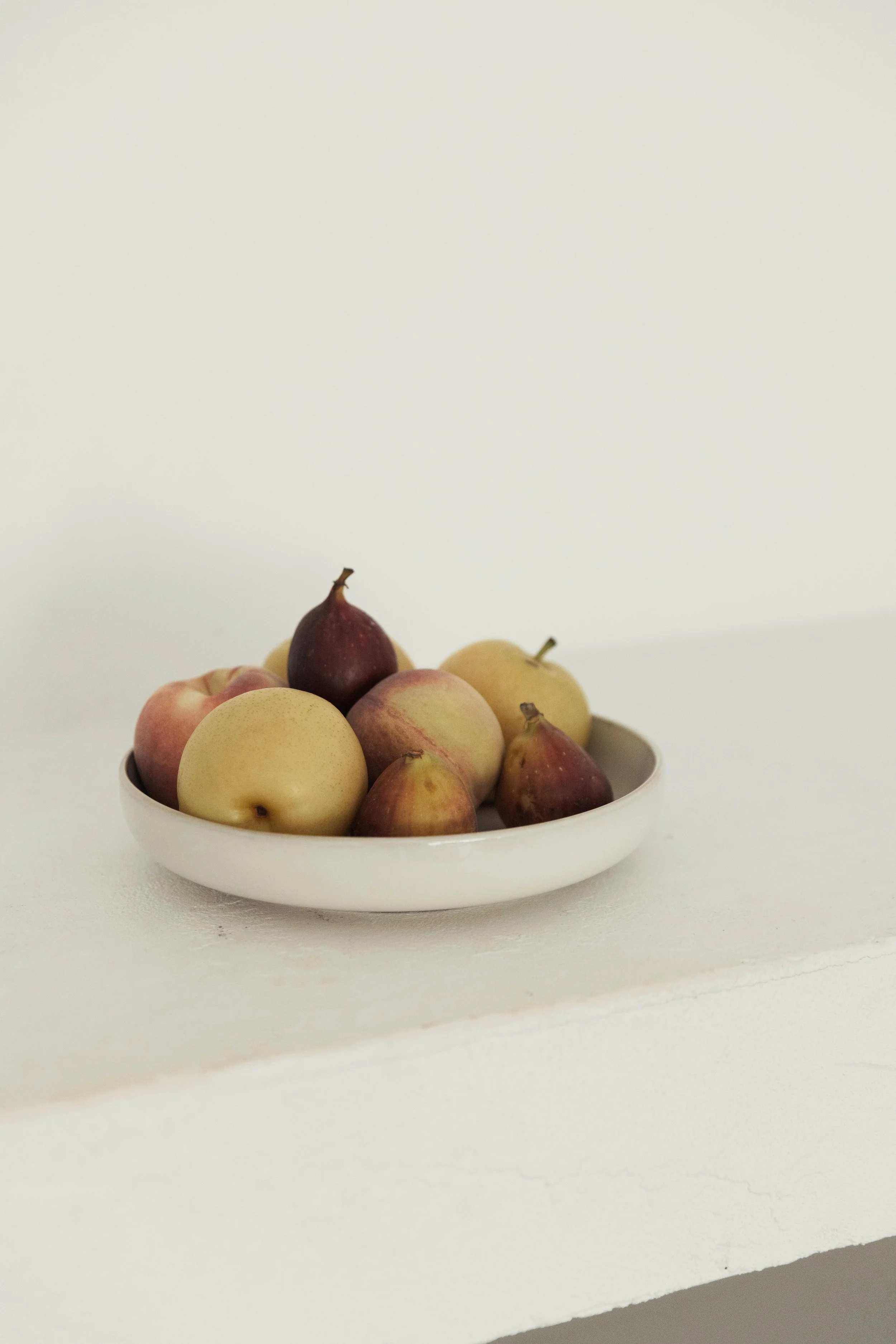
The yes comes almost automatically.
Yes - to the dinner you didn’t really feel like going to.
Yes - to the food that’s offered, even when something in you hesitates.
Yes - to being easy, agreeable, no trouble at all.
It happens quickly; a default override. An internal self-reassurance of “it’s fine”. A sense of relief at having kept things smooth. Perhaps it’s met with ‘your so kind’, or praise for your flexibility, your consciousness, ability to go with flow. Gratitude for ‘being the easy one’.
Meanwhile, inside, there’s a flicker of a pause that didn’t quite get the space to become a no. And after all these years, it’s beginning to fester.
Why do I people please like this… even with food? Why can’t I just learn to say no?!?
When “Yes” Becomes a Way of Staying Connected
In these situations, yes is very rarely about the question itself, but rather is a way of moving through the world while keeping things steady. It’s predictable, and relationally safe, particularly for bodies that learned to read the temperature of a room the second they walked in, or learned how to anticipate what will make things easier and to keep the peace, learning how to adjust, just slightly, so nothing becomes uncomfortable.
And food is often right in the middle of that, because where there are relationships, there is food.
At the table, there are unspoken rules - about politeness, gratitude, not making a fuss. About not being “difficult.” About going along with what’s there.
So your responses begin to organise around that.
Not always consciously. Just… automatically.
And in those small, repeated moments, your own signals can become a little quieter.
A Culture That Calls This “Being Easy”
People-pleasing is often rewarded, especially among women. Often labelled as kindness, generosity, and being low-maintenance. To be someone who doesn’t make things hard for anyone else is a desirable trait placed high up on a pedestal for us to aspire towards.
So when it shows up around food, it rarely gets questioned.
Saying yes to what’s offered is polite. Finishing everything on your plate including the seconds and thirds offered, is just plain respectful. Not drawing attention to your needs is considered considerate.
There’s very little space in that for noticing your own experience.
Whether you’re actually hungry. Whether something feels good in your body. Whether you want something different.
In this context, people pleasing and food can become tightly tangled together, as something that simply feels like the right way to be.
When the Body Gets Left Out of the Conversation
But while all of this is happening externally, something else is happening internally…
A slight hesitation before you say yes.
A subtle tightening in your stomach.
A sense of fullness that gets overridden.
A hunger that gets postponed.
Each a small signal that adds up over time, moving the body out of the scene as a reference point in favour of keeping the peace, until it simply becomes something that needs to be managed - eating what’s offered, even when it doesn’t quite land or feel comfortable, waiting until it’s convenient to eat, rather than when hunger arrives, eating more food even when you’ve had enough.
And sometimes, a kind of split emerges.
Where eating around others feels one way - measured, contained, “appropriate” -
and eating alone feels different: perhaps less structured, less observed, because the body has been waiting for space where it doesn’t have to negotiate quite so much.
Not Inauthentic, Just Adaptive
And so, when it comes to healing, the question we might be curious about becomes what has this been helping me hold in place?
Because orienting toward others - especially in something as relational as food - serves a very real purpose, protecting connection, reducing tension, creating a sense of belonging.
And those things matter in real life, which makes this pattern something more complex than it first appears.
It’s not a failing at boundaries, or an inability to listen to yourself. But a way of staying connected, using what was available at the time.
What might it be like to begin by simply noticing where - in the small moments, at the table - yes comes a little too quickly.
IF YOU WANT TO KEEP EXPLORING...The Body Remembers - on how trauma shapes your relationship with food