
Why Your Body Feels Out Of Control Around Food (And How Trust Begins Again)
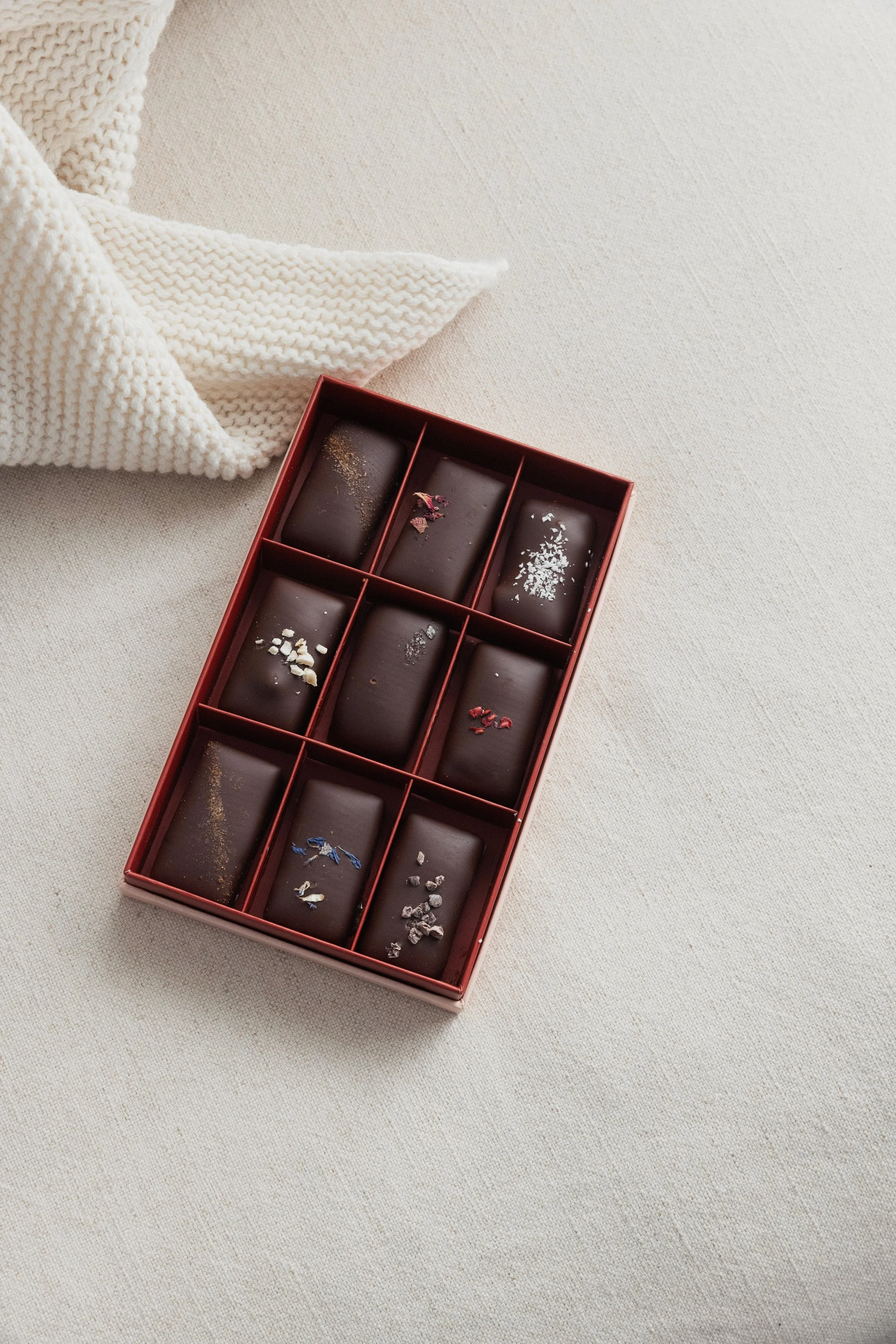
There’s a box of chocolates sitting on my sideboard. It’s been there for a few weeks now - unopened, slightly dusty, easy to see every time I walk past. The kind of box that, at another time in my life, wouldn’t have lasted the night.
Back then, food like that felt… loud. Tempting. Enjoyable. But loud in a way that was hard to ignore. I’d try to hold off. And sometimes I could, for a while. But eventually something would give, and I’d find myself halfway through before I’d even really registered starting.
And afterwards, there it was that familiar swing: Why did I do that? Why can’t I just stop? What is wrong with me?
If you know that feeling, you’re not alone. And more than that - there are reasons it happens.
When Food Starts to Feel Hard to Control
Food doesn’t begin as something powerful; it becomes powerful when your body isn’t sure it will get what it needs. Sometimes that comes from obvious restriction, like not eating enough, skipping meals, trying to be “good”, at other times it is quieter than that:
Running on coffee and distraction.
Putting off meals because you’re busy, or tired, or not quite hungry yet.
Holding everything together during the day, only to feel it unravel at night.
The body notices, and keeps score, of it all, and when something has been missing for long enough, the response can feel urgent. Almost like something in you has decided: we need this now.
Why This Isn’t Just About Willpower
It’s easy to interpret those moments as a lack of discipline, but people in this pattern are already trying very hard. They’re thinking about food constantly, planning, adjusting, negotiating, trying to get it “right.” But such effort only gets us so far, until the body steps in. And when nourishment has been inconsistent, or when your system is carrying a lot of pressure, food becomes more than food; it becomes something that settles the edge, fills the gap, gives a brief sense of relief when everything else feels like too much.
And so what can feel like failure, is actually a nervous system finding the quickest way it can to regulate.
What Happens in the Body (Including Fullness)
When we really tune into these experiences, we will always find a rhythm:
A kind of build-up (sometimes obvious, sometimes not).
Then the eating itself, which can feel fast or automatic.
And afterwards, a shift.
Fullness is part of that shift. And for many people, that’s where things become most uncomfortable, because it can bring a sense of having crossed a line. The moment of fullness can feel like exposure; sometimes even a flicker of panic, like something now needs to be undone.
And even though there is a logical part of you that recognises that you have just eaten, if your system has learned that needing isn’t safe, or that having enough is ‘too much’ or that control is what keeps things steady, fullness can feel like a loss of that stability. So, the discomfort of fullness is not about having done something wrong, but about your body encountering a sensation it hasn’t yet learned is safe to stay with.
The World That Shapes This Pattern
And none of this is happening in a vacuum - our culture constantly reinforces this whole cycle.
Eat less. Be careful. Stay in control.
Don’t get too hungry - but don’t get too full either.
There is a narrow window where eating is considered “right,” and most real human experiences fall outside of it.
So, when your body responds in a very natural way - like catching up, settling, finding relief - there’s often a layer of judgment waiting.
It might sound like:
I shouldn’t have eaten that.
I need to do better tomorrow.
And without meaning to, that thinking recreates the same conditions.
A little less food.
A little more pressure.
A little less room to listen.
The cycle continues because the environment around you keeps nudging it along.
A Different Kind of Beginning
What changed for me wasn’t the chocolate, but my relationship to the chocolate. Somewhere along the way, food stopped being something I had to manage so tightly. I can’t quite put my finger on the exact time and place when it stopped. I don’t think healing happens like that. But very gradually, it felt safe to eat more consistently, and release the conditions around it. I began noticing things I’d never really stayed with before, like how hunger builds, how satisfaction feels, and what fullness feels like when it’s not immediately judged.
And over time, things just softened.
So today, that same box of chocolates can sit on the shelf now because it simply doesn’t carry the same charge.
Sometimes I’ll have some. Sometimes I won’t. There’s no judgment either way, just spaciousness.
If food feels overwhelming right now, you don’t have to force that to change, but you might begin to notice when things start to feel urgent; when your body feels like it’s catching up, when fullness feels like too much.
Just to see it.
Because underneath all of this, your body is trying - in the best way it knows how - to take care of you. And given time, and enough steadiness, that urgency can soften into something that feels a little more like trust.
IF YOU WANT TO KEEP EXPLORING...The Body Remembers - on how trauma shapes your relationship with food
Why You Can’t Stop Binge Eating - on understanding binge eating through the nervous system
Why You Restrict Food (Even When You Don’t Want To) - on restriction and the deeper pull towards control
Why It’s So Hard to Listen to Your Body (It’s Not About Discipline) – on the role of the nervous system in mindful eating